

“An extraordinary new documentary.”
— The Independent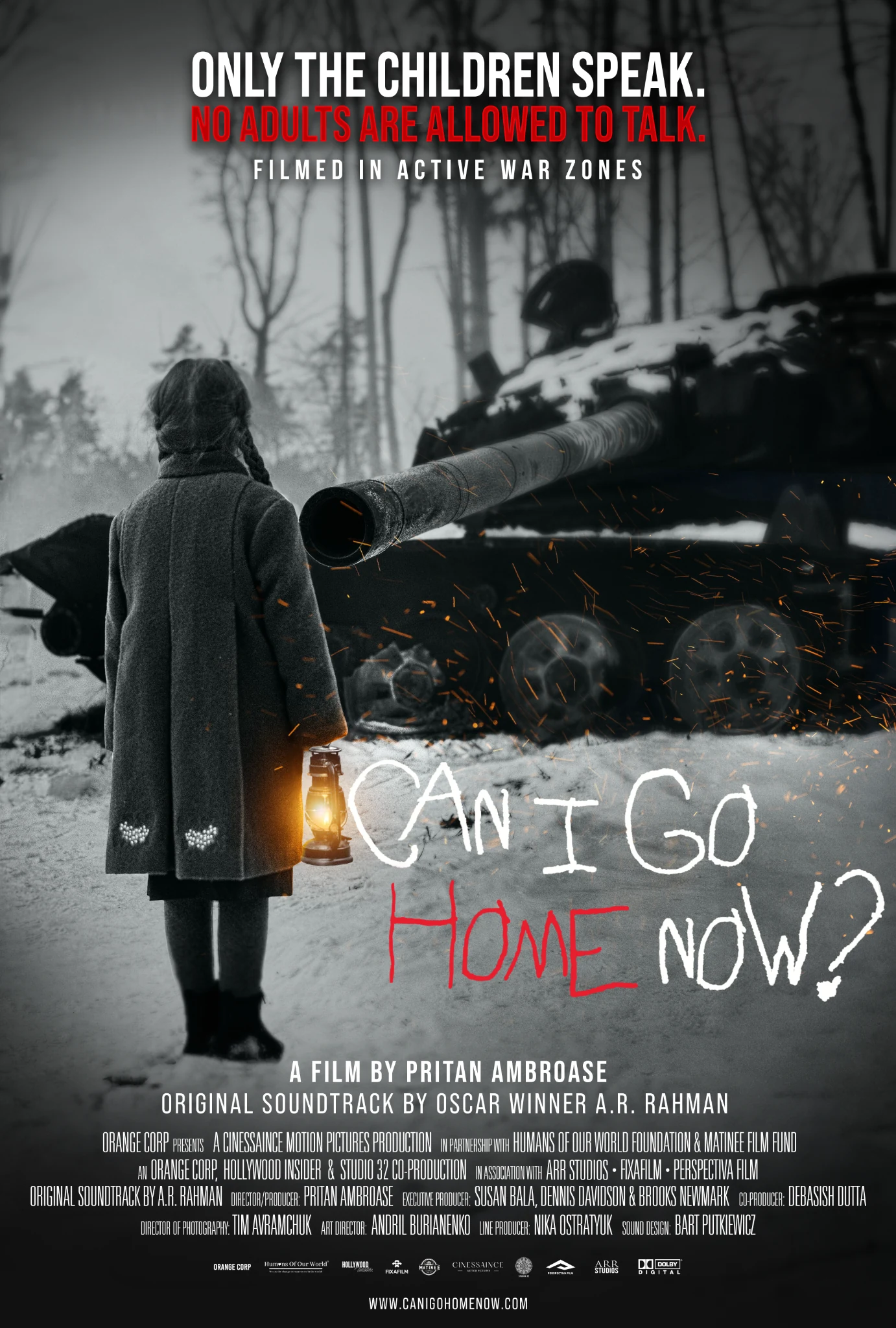
Can I Go Home Now? is a cinematic documentary filmed inside active war zones in Ukraine that reframes how conflict is witnessed and remembered. Produced by a registered charity foundation - for every child in every country.
The film removes traditional narration, allowing only Children’s voices to shape its emotional and narrative architecture. Their testimonies unfold as a chorus of memory, loss, and fragile hope, transforming lived experience into a meditation on childhood under siege. Only Children’s voices — no adults, no outside commentary, no mediation.
The film’s sonic landscape is shaped through an original symphonic score by Academy Award-winning composer A.R. Rahman and an original Ukrainian-language piece created with a Grammy-winning Ukrainian composer, extending the Children’s voices beyond image into sound. Through this union of image and music, the film resists commentary and invites the audience into an intimate, human encounter with a generation growing up inside conflict.

“Focusing on the voices of the children brings its own power.”
— Mark HollingsworthSupport the global release — for every child in every country.

Credit: Jerome Kyriacos
Director / Producer

Pritan carries a Child dancer across a room destroyed by bombs
Air-raid sirens don’t fade into background noise. They cut through your body. In Ukraine, I watched missiles arc across the sky from a hotel window, calculating whether there was time to reach shelter. This is not what I imagined when I first chose cinema at seventeen — yet it is exactly why I believe cinema matters. I never thought cinema would bring me to a place where the horizon itself felt dangerous, making a film under alarms and blackouts. And yet I realised something essential: when reality becomes unthinkable, cinema must become precise. In that moment, cinema stops being an ambition and becomes a responsibility.
Can I Go Home Now? was built on one non-negotiable decision: only Children speak. No experts. No politicians. No adults translating their reality into “analysis.” Wars are narrated by adults — planned by adults, justified by adults, negotiated by adults — while Children live inside the consequences. This film turns that order upside down. It asks the audience to listen to Children and sit with them, not as symbols or victims of tragedy, but as witnesses with agency, language, and authority of their own — and to accept that their words do not require translation.
Shot under dangerous combat conditions in current war zones.


Credit: Andreas Rentz / The Masters of Cinema Awards
Pritan Ambroase is a film director, producer, media entrepreneur and philanthropist. He is originally from Kent in England and continues to be globally praised for combining entertainment, philanthropy and education to further humanitarianism to unite people all over the world. Being one of the few Hollywood CEOs who has physically protested on foot for human rights in more than 25 countries, he has been nicknamed the “Rebel with A Cause”. As the CEO of The Hollywood Insider media network, Ambroase took on the task of revamping the entire brand into one that focuses solely on substance & meaningful entertainment.

Credit: FeatureFlash Photo Agency / Shutterstock
“Pritan arrived in my life in a magical way, like he dropped from the sky… a gift from the divine… I was surprised with how much he knew about some of my rarely exposed compositions. While conversing with him regularly, I understood that we have a lot in common, we are kindred spirits, and share common beliefs about Love, humanity, and music… I am stunned by his Courage to touch such an important subject, which involves risking his life tremendously!”
I think it’s a very interesting story when you meet Pritan as he has complete knowledge about world cinema. He also has a superpower of empathy, which is amazing because to be at the level where he is in terms of success and achievements, and still able to shed a tear on what’s going on around the world, I think having that is what is truly needed for the world and having that quality can also help us, and change things in a better way, with whatever we have, be it art or storytelling. And to add to all of it, he is so funny, has a great sense of humor and is so lovable.
I decided to compose the music for Can I Go Home Now? because when you see Children suffer all over the world, it’s beyond any politics, it’s beyond any narratives. Pritan’s slogan for the film and message that he has chosen is FOR EVERY CHILD IN EVERY COUNTRY. And I agree with that wholeheartedly. Children are Children. And when he said, I’m going to make this documentary about the Children of Ukraine, I said, I’m in. And also, the music, the kind of music which he likes, we have a lot of commonalities in our taste. And he’s followed my music, so he was giving references of so many different things. And it was a very interesting journey to compose for his documentary, Can I Go Home Now?

“I decided to become the Executive Producer for this film because it is purely the voices of the Children. My father went through WWII as a child in Poland… More than 70 years later, we are again here, with untold suffering of Children all over this planet.”
Susan Bala is an entrepreneur with multiple global companies credited for revolutionizing various industries since the 1980s. She was selected by the U.S. government as a Delegate for the United States Commerce Department in 1996, representing the United States in Trade Missions to Latin America.
Brooks Newmark is a former British Member of Parliament, government minister, and Senior Partner at Apollo Global Management, whose post-parliamentary life has been defined by direct humanitarian action.
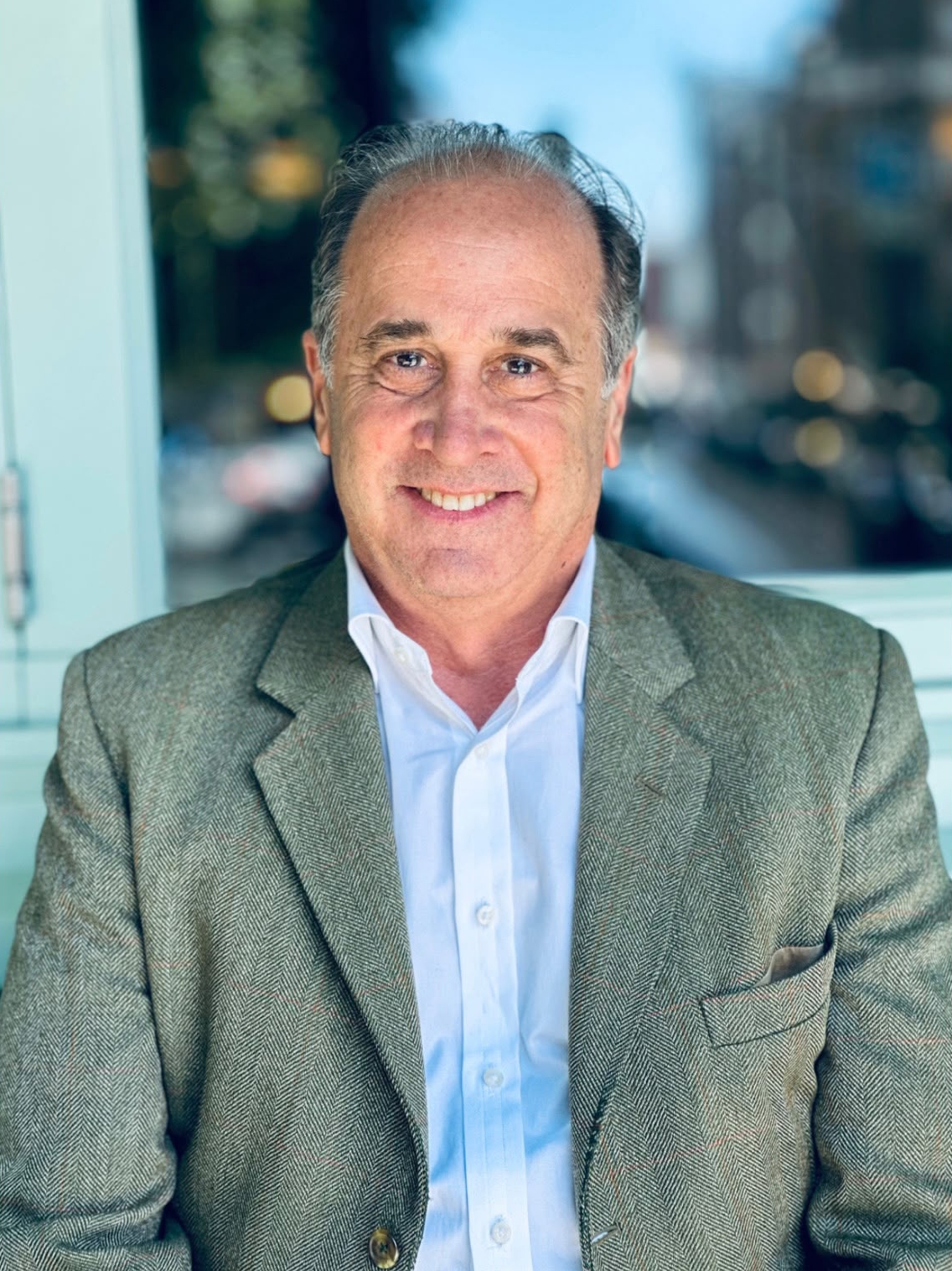
Dennis Davidson is one of the most prominent and experienced figures in the international entertainment PR industry. Over a distinguished career spanning several decades, Davidson founded and led DDA Public Relations, one of the world’s leading entertainment communications firms.

Grammy-winning Ukrainian composer Andriy Yatskiv created an original Ukrainian-language piece for Can I Go Home Now?, extending the Children’s voices beyond image into sound. His composition forms an integral part of the film’s sonic landscape, grounding the work in the authentic voice of the nation at the centre of the story.


Dame Joanna Lumley

Miriam Margolyes

Brian Cox

Lord Alfred Dubs
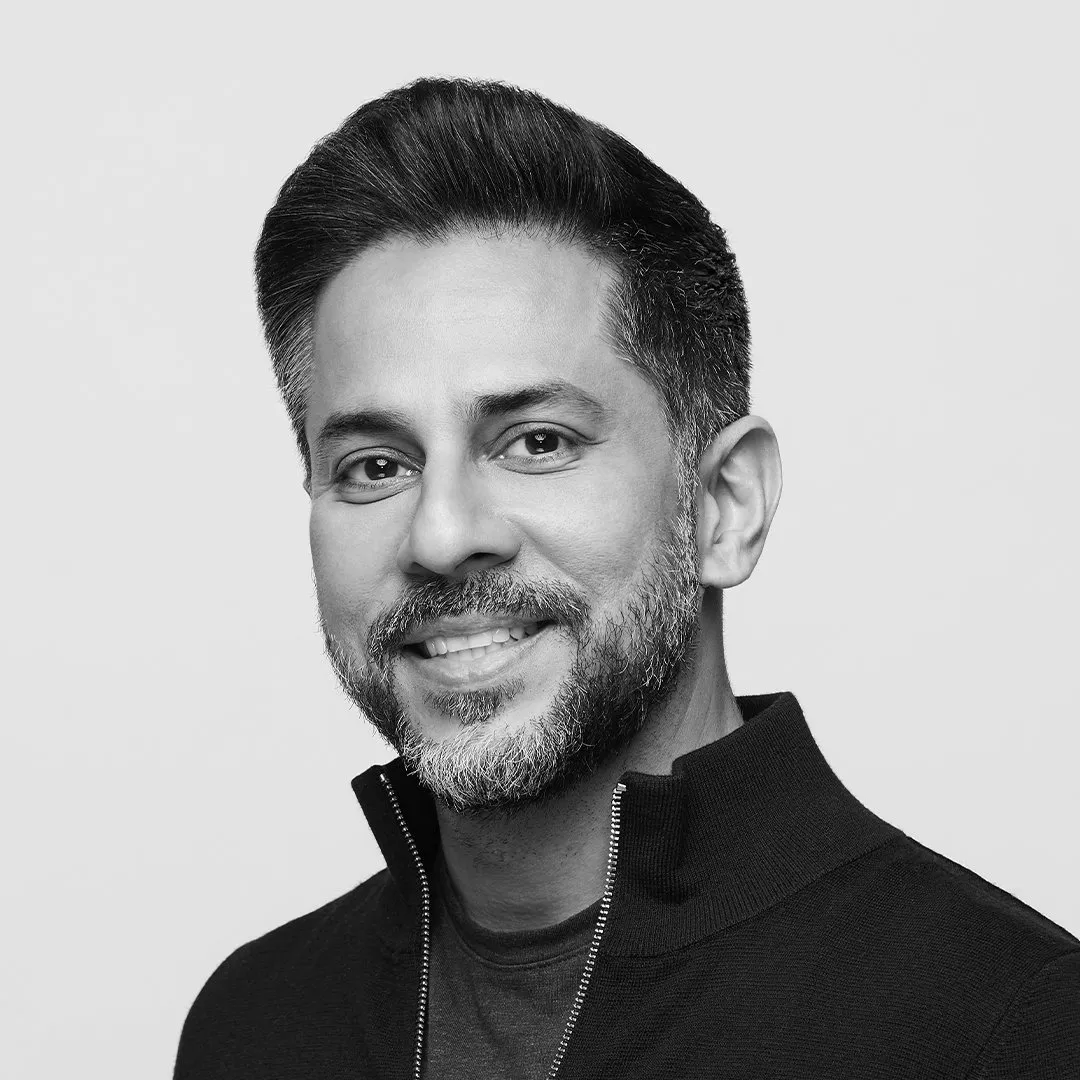
Vishen Lakhiani
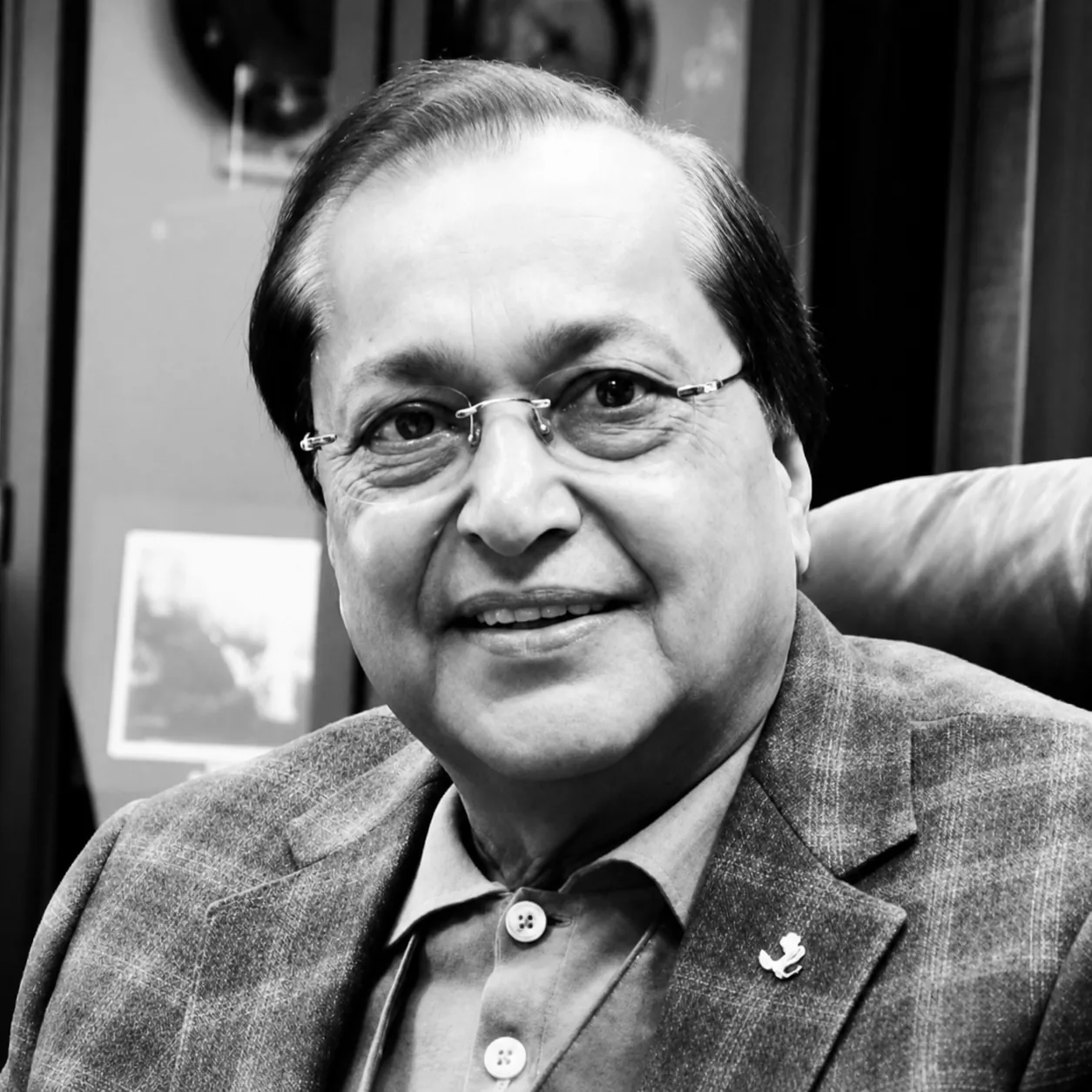
Lord Rami Ranger
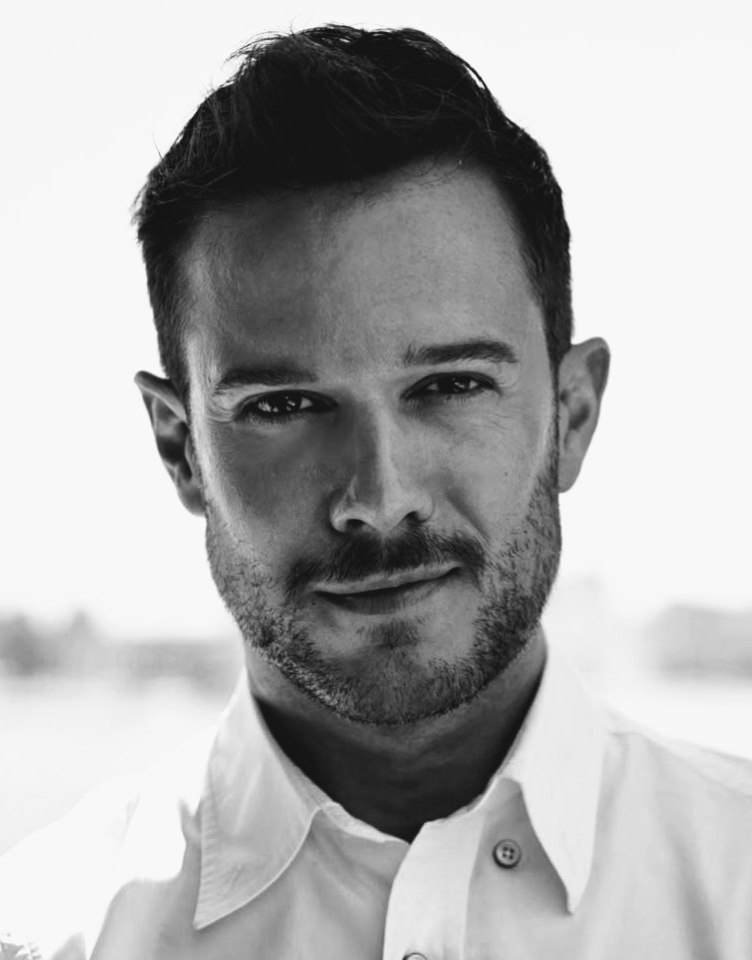
Paolo Stella
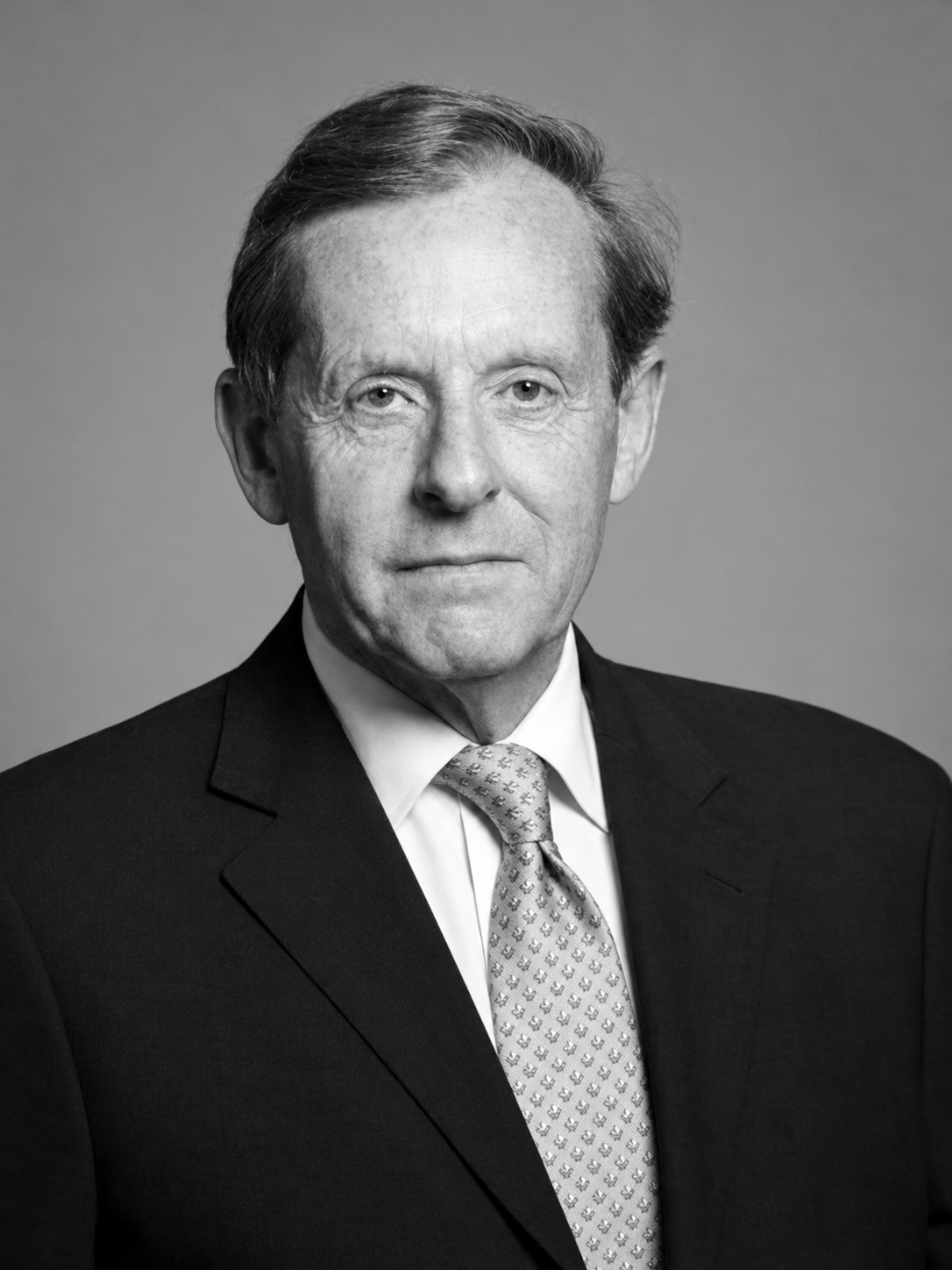
Lord Risby
The film where only children speak. No adults. No politics. No politicians.
More than just a film. A global movement for every child, in every country - every war zone where a child continues to ask “Can I Go Home Now?” They are still waiting for an answer. What is your answer? Sign the Open LOVE Letter to make the answer YES!
An Open LOVE Letter to Humanity - CAN I GO HOME NOW? “Can I Go Home Now? When did a child last ask you the above question? What was your answer? For millions of children around the world, the answer is NO. NOW is the time we stand together—not as members of different countries, religions or political beliefs—but simply as human beings. We join this humanitarian film and movement called ‘Can I Go Home Now?’ where only children speak. No adults. No politicians. Aren’t we all tired of hearing what the politicians want us to think? Instead of thinking according to political parties, religions or nationalities - let us once and for all FEEL as humans. As beings. Less thinking. More feeling. This film must be seen, heard, and felt everywhere, because it belongs to all of us. The people’s film. The people’s movement. Produced by a charity foundation, and in partnership with multiple Oscar winners, Grammy winners, a long-term humanitarian/director, and over 800 people from 32 countries that have worked on this film with one purpose - to make Can I Go Home Now? a rallying cry for every child in every country, a global movement that utilizes the power of cinema to save all children, for humanity’s sake. And that is exactly why Humans of Our World Foundation, a registered charity, produced this film - to keep it pure and focus on children. Children should never become casualties of war, politics, hatred or indifference. This is the universal truth: every child deserves a safe home. No child, anywhere, should ever hear “no” to the most human question of all — a question whispered or screamed across all borders, in every language, for thousands of years: “Can I go home now?” This film travelling the world can impact more than politicians can. While it was filmed in the active war zones of Ukraine, these children do not speak only for Ukraine — they speak for every child, in every country, caught in the crossfire of adult wars. History shows us that no nation is immune, and that is why this film must be watched by all — to recognize that wars cannot and must not continue. This film and movement is not anti any country — it is pro every child, in every country. How can anyone politicise that? We support the mission of the landmark film and movement CAN I GO HOME NOW? to amplify the voices of children and remind the world that every child, regardless of where they were born, deserves dignity, protection and love. Because art has a duty. Because cinema has a purpose. Because humanity is the only option — regardless of what political party you belong to. As director and humanitarian Pritan Ambroase says: “Cinema, when done right and with heart, can transform humanity. My only hope is that Can I Go Home Now? will bring all the children home. Every child in every country. A global movement for all, for now and for the future.” In a world where funny videos and influencers go viral every day - Let us make humanity viral for once. This film is for every child in every country - anywhere a child continues to ask “Can I Go Home Now?” They are still waiting for an answer. What is your answer? Because every child is our child. ‘Can I Go Home Now?’ is the people’s film and movement, made to protect every child in every country. Yours with love and humanity, The CAN I GO HOME NOW? Film and Movement”
Complete the form below to join the movement.
Global Outreach
globaloutreach@humansofourworld.org